
Resources
SDPA provides resources for the public related to mental health. These resources are produced primarily through the work of SDPA committees. A list of the current public resources offered is presented below. To find out more information about a particular resource and its associated SDPA committee email the office.
Resource Categories
These resource categories are designed to help psychologists and community members quickly locate trusted support across a range of mental health and wellness needs. Each section highlights reputable organizations in San Diego that provide specialized services, referral options, and pathways to care for individuals, families, and clinicians seeking additional support.

Crisis Hotlines
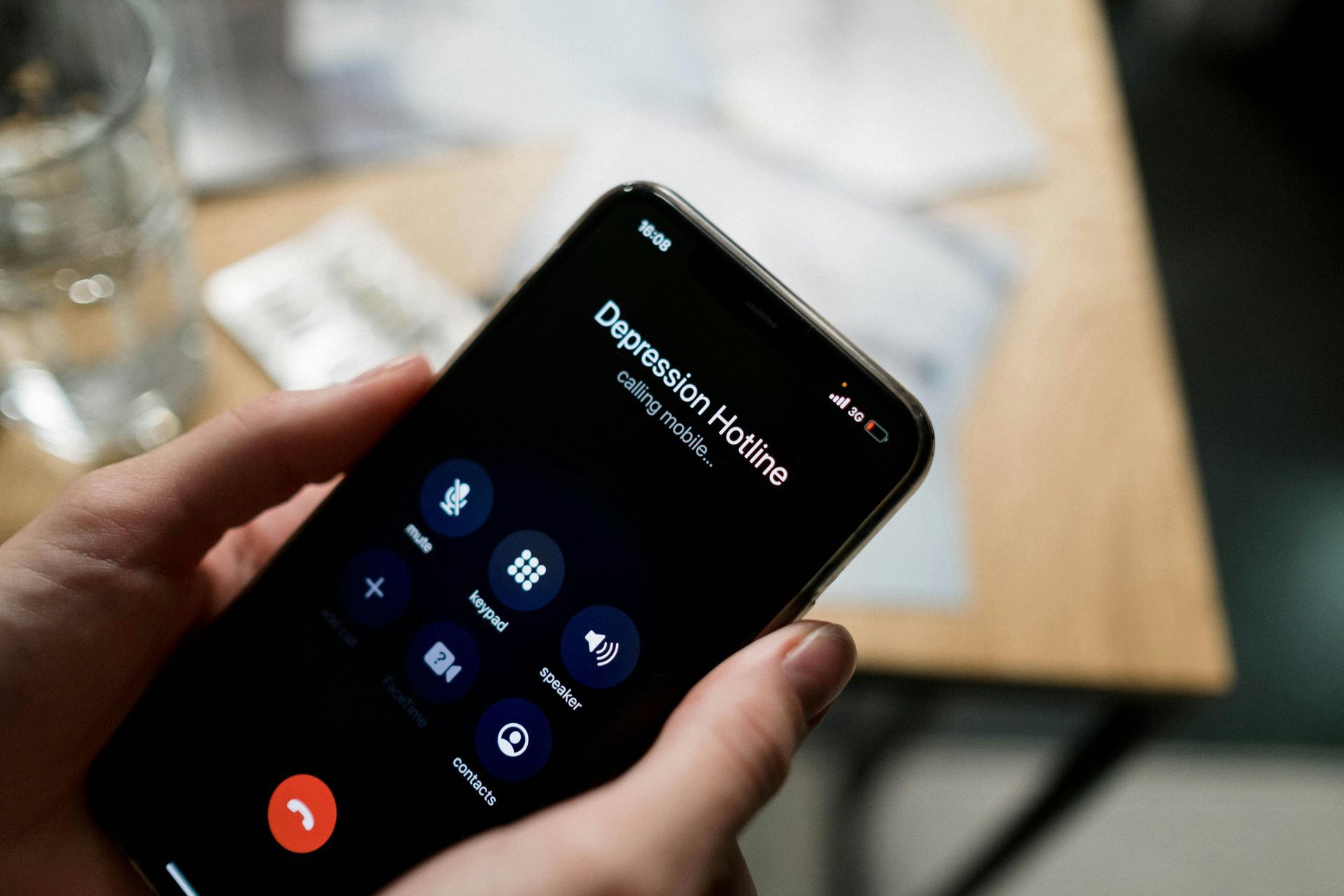
Immediate, confidential support for individuals experiencing emotional distress, suicidal thoughts, or urgent mental health needs. These services are available 24/7 for rapid assistance and stabilization.
Addictions
Resources for individuals and families affected by substance use and behavioral addictions, including treatment options, support groups, and recovery services. Psychologists can also find referral partners and specialized programs for client care.

Age in Action
Age in Action is a website created by the Aging Issues Committee to provide resources for older adults and those who love and work with them. In addition to resources, Age in Action includes a bimonthly publication of articles by professionals and writings related to the experiences of aging.

Community Mental Health
A collection of public and nonprofit mental health services that provide accessible care across San Diego County. Ideal for those seeking support and for clinicians looking for trusted community referral options.

Continuing Professional Development (Licensure Information)
Continuing Education (CE) is an essential component of professional licensure for psychologists. It ensures that practitioners remain current with evolving research, clinical best practices, ethical standards, and legal requirements while maintaining the highest quality of care for the public.

Disaster Response
The Disaster Psychology Committee promotes community resilience by providing disaster preparedness education, training, and psychological support before, during, and after emergencies. As part of the nationwide Disaster Response Network, committee members collaborate with organizations such as the American Red Cross to assist individuals and communities affected by disasters while advancing disaster mental health awareness and response throughout San Diego County.

Diving into Healing (Podcasts)
Diving into Healing is a project of the Public Education Media (PEM) Committee. The Committee records presentations by members with expertise in psychologically relevant topics and publishes the presentations as PODCASTS on the sites listed below. The chair of the PEM Committee acts as host for the presentations.
Domestic Violence
(Intimate Partner Violence - IPV)
Support, advocacy, and safety resources for individuals affected by domestic or intimate partner violence. Includes shelters, legal advocacy, counseling services, and referral information for clinicians assisting survivors.

Grief and Loss
Organizations and groups offering support for those coping with the death of a loved one or other significant losses. Psychologists can also find grief-specific programs and referral options for clients in need of additional care.

LGBTQ+
Affirming and inclusive services tailored to the mental health and well-being of LGBTQ+ individuals and families. Includes community centers, specialized counseling, and supportive networks for both clients and providers.

Low Fee Psychotherapy
Affordable counseling services offered by clinics, training programs, and nonprofit organizations. These resources help connect individuals to quality care regardless of financial limitations and provide referral options for psychologists.

Neurodiversity &
Developmental Disabilities
Resources and services for individuals with autism, ADHD, learning differences, and other developmental conditions across the lifespan. Psychologists can find specialized referral partners, assessment services, and support programs for clients and families.

Veterans Affairs
Resources and services for individuals with autism, ADHD, learning differences, and other developmental conditions across the lifespan. Psychologists can find specialized referral partners, assessment services, and support programs for clients and families.

Psychology 101
The Definition Of Psychology....
Psychology is the scientific study of the mind, brain, and behavior. It explores how people think, feel, learn, grow, and relate to others across the lifespan. Through research, clinical practice, and applied knowledge, psychology seeks to understand human experience and promote well-being, resilience, and meaningful change in individuals, families, and communities.
What Is A Psychologist?
A psychologist is an individual who holds a Ph.D. or Psy.D. in psychology and is licensed. Licensed psychologists are bound by the ethical principles of the American Psychological Association.
What Does A Psychologist Do?
A psychologist provides counseling, behavior modification, hypnosis or psychotherapy to individuals, families, groups, organizations or businesses in order to treat or relieve psychological and emotional problems. A psychologist also develops, gives and interprets tests of mental abilities, aptitudes, interests, personality characteristics and motivations.
Who May Practice Psychology?
Only licensed psychologists may practice psychology with patients without supervision. To get a license, the individual must have an appropriate doctorate degree, work in the psychology field under supervision for two years, and pass the National and state written exam.
How Do I Choose A Psychologist?
Decide what area you want help with, i.e. your children, spouse, substance abuse, depression, stress, etc. Then begin looking for a psychologist trained in that area. Ask friends or relatives for recommendations. Also check with your health insurance company for a list of authorized providers. You can call the national, state and local psychological associations for referrals. When you have a list of possibilities, you can narrow it down by determining if gender or geographical location makes a difference to you. Next, meet with the psychologist to see if the two of you are compatible. It is important that you feel comfortable with the psychologist.

Who Else Can Help?
Psychiatrists: Have completed medical school and are licensed by the Medical Board of California. They use limited counseling therapy and are authorized to prescribe medications.
Licensed Clinical Social Workers (LCSW): They can not provide psychological testing or prescribe medications. A Master's degree is required for license.
Licensed Educational Psychologists (LEP): Work in schools and provide educational counseling services such as aptitude testing. They can not provide psychological testing that is not related to educational services, and they can not provide medications. A Master's degree is required for license.
Licensed Professional Clinical Counseling (LPCC): Licensed Professional Clinical Counseling centers on supporting individuals through emotional, behavioral, and mental health challenges. LPCCs provide assessment, counseling, and therapeutic interventions to help clients develop coping skills, increase self-understanding, and improve overall functioning.
Marriage and Family Therapy (MFT): Marriage and Family Therapy focuses on the relationships, interactions, and communication patterns within couples and families. MFTs help individuals, partners, and family systems improve connection, resolve conflict, and create healthier relational dynamics.
Psychiatric Technicians: Provide counseling and related medical services in state hospitals. Can not provide psychological testing, or prescribe medications. Undergraduate degree required for license.
Priests, Ministers, Rabbis, or other Clergy Members: Provide spiritual guidance. May not treat for emotional or mental disorders, do psychological testing, or prescribe medications.