SDPA Fall Conference
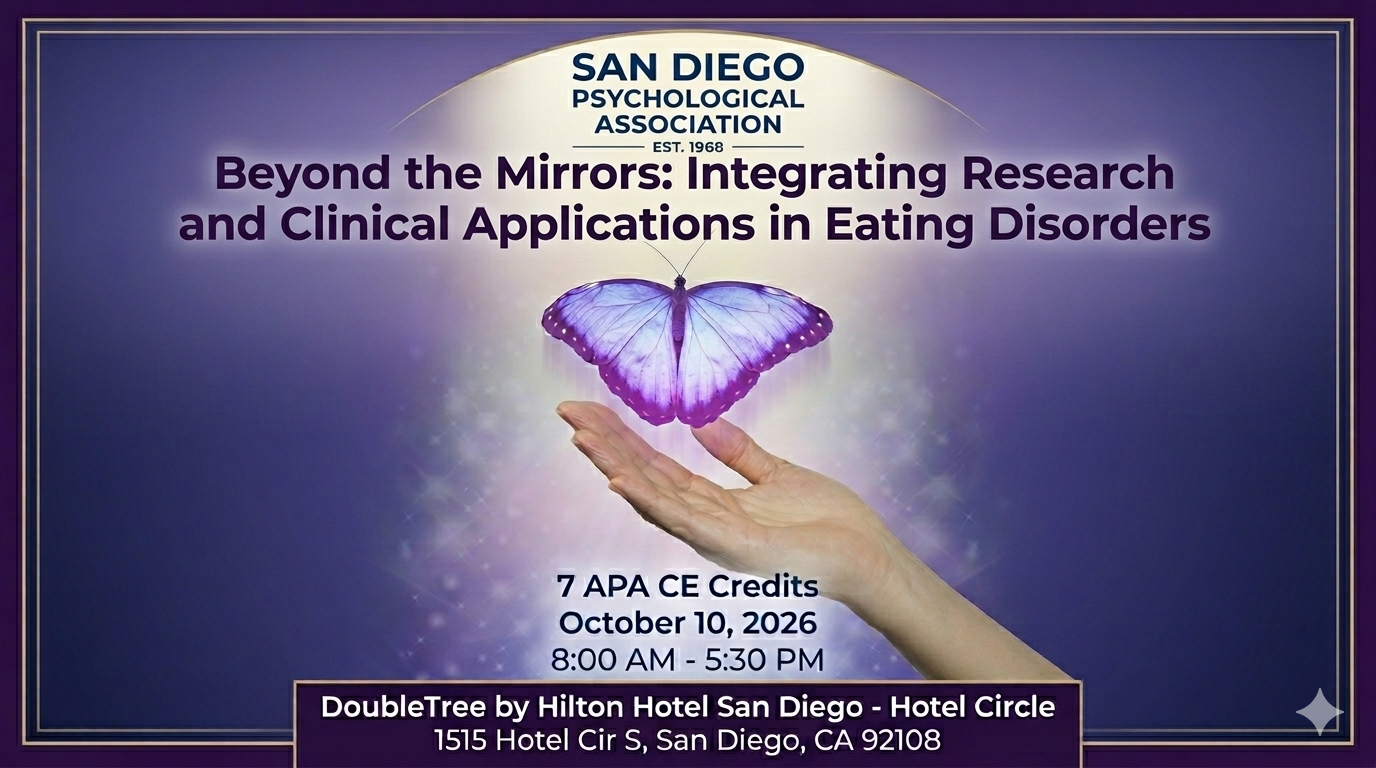
The field of eating disorder treatment remains dynamic, with ongoing debate surrounding both the origins of these conditions and the most effective approaches to care. As psychologists and practitioners, it is essential that we stay informed and ready to guide clients — and those who love them — toward the most appropriate treatment options available.
This year’s conference will feature a diverse range of presentations, including topics such as managing eating disorders alongside co-occurring conditions, navigating cultural considerations and working with diverse populations — including male clients — foundational approaches to eating disorder treatment, the relationship between food and addiction, addressing trauma in the context of eating disorders, and much more.
Registration Fees:
Early Bird Ends 10/1/2026
- SDPA Members - $195
- SDPA Graduates/Retired/Poster Presenters - $75
- Non Members - $235
- Non Member Graduates/Poster Presenters - $100
Regular Fees begins 10/2 -10/9
- SDPA Members - $235
- SDPA Graduates/Retired/Poster Presenters - $85
- Non Members - $275
- Non Member Graduates/Poster Presenters - $125
Onsite Fees (10/10/2026)
- SDPA Members - $255
- SDPA Graduates/Retired/Poster Presenters - $95
- Non Members - $295
- Non Member Graduates/Poster Presenters - $135
October 10, 2026
8:00 am - 5:30 pm
DoubleTree by Hilton Hotel San Diego
Hotel Circle
1515 Hotel Cir S
San Diego, CA 92108
Keynote:
Leadership in Turbulent Times: Lessons from Navigating Volatility and Uncertainty
Debra M. Kawahara, PhD
1.0 APA CEs
Developing transformational leaders for our ever-changing world is becoming more critical as societal issues become increasingly complex and complicated. Leadership and its outcomes have primarily been based on western dominant society in psychology and other related fields. This is often referred to as the WEIRD world (Western, educated, industrialized, rich and democratic) (Henrich et al., 2010). Yet, many people within the United States and globally do not fit these characteristics. In fact, most people live in regions designated as the Global South and constitutes the Global Majority.
This presentation will outline values, concepts, and behaviors from a transformational feminist leadership model that are important for successful and effective leaders in a global world. The skills and actions that will be covered are empowerment, collaboration, power and system analyses, reflexivity, deconstruction of our biases and oppressive systems, inclusivity, and advocacy (Porter, 2025), Ultimately, the feminist leader upholds cultural humility and respect for voices who have been silenced or invisible such as those from the Global Majority World and Indigenous communities while collaborating and empowering all to address disparities. The presenter will share examples of how these values and concepts have been and are used in her leadership roles, particularly in her role as the 2025 president of the American Psychological Association. Lastly, the critical actions and skills of advocacy for psychology and psychologists will be presented.
Learning Objectives
- Identify three values in transformational feminist leadership.
- Name three bases of power.
- Describe the four “P”s in the Feminist Leadership Diamond.
Biography
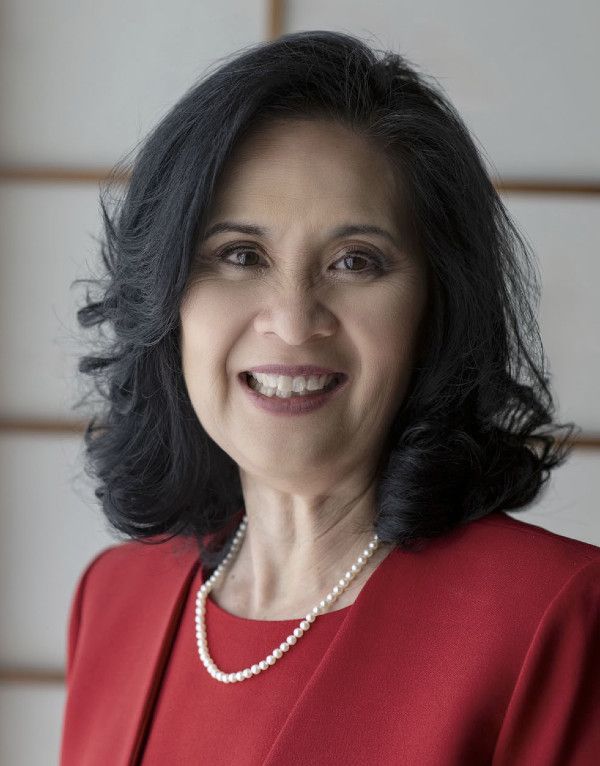
Debra M. Kawahara, PhD, was the 2025 president of the American Psychological Association (APA) and the interim academic dean at the California School of Professional Psychology at Alliant University. Her work spans over 20 academic programs in psychology and mental health across six campuses in California, as well as online. Additionally, she is an independent practitioner working with individuals, couples, and families.
Known as a feminist multicultural scholar, her work centers on intersectionality, women's issues, Asian American mental health, Buddhist psychotherapy, and the application of social justice principles. Her most recent scholarship focuses on connecting Early Buddhist foundations to mindfulness and meditation practices used in psychotherapy, with a new book,
Buddhist Psychotherapy: Connecting Early Buddhism to Mindfulness and Western Psychotherapy.
Her latest project is her podcast, “Wellness in Today’s World” (https://www.alliant.edu/podcasts/wellness-in-todays-world) where she discusses the latest topics in wellness, psychology, and everything in between.
Overcoming Challenges in Family-based Treatment for Adolescents with Eating Disorders
Anna Karam Jones, PhD, Hanah Weldon, PsyD, and Antionette Gutierrez, PsyD
1.5 APA CEs
Family-based treatment (FBT) for eating disorders is the leading empirically-supported treatment for adolescents with eating disorders. Nonetheless, there can be clinical challenges when delivering FBT that can make it difficult for a patient and family to make appropriate treatment progress. This course will give a brief overview of family-based treatment for eating disorders including the three phases of treatment. The majority of the presentation will highlight challenges that arise when delivering FBT, and provide psychoeducation and interventions that can help clinicians overcome some of these common difficulties. Strategies to overcome challenges in FBT will pull from other evidence-based treatment such as Dialectical Behavioral Therapy (DBT) and Parent Management Training (PMT). Some challenges that will be discussed in detail include: lack of weight restoration progress, comorbidities and symptom/diagnostic “whack-a-mole” becoming a barrier to progress, safety concerns (e.g., nonsuicidal self-injury, suicidality) during FBT, high conflict between family members, and difficulties maintaining progress when the adolescent is given more independence. This training aims to give providers clinical tools to navigate these issues when working with adolescents with eating disorders and their families in a family-based treatment framework.
Learning Objectives
- Explain the three phases and family-based treatment (FBT) for adolescents with eating disorders.
- Describe some clinical challenges that can arise when delivering FBT.
- Discuss strategies and interventions that can be utilized to overcome some common difficulties with effective treatment of FBT.
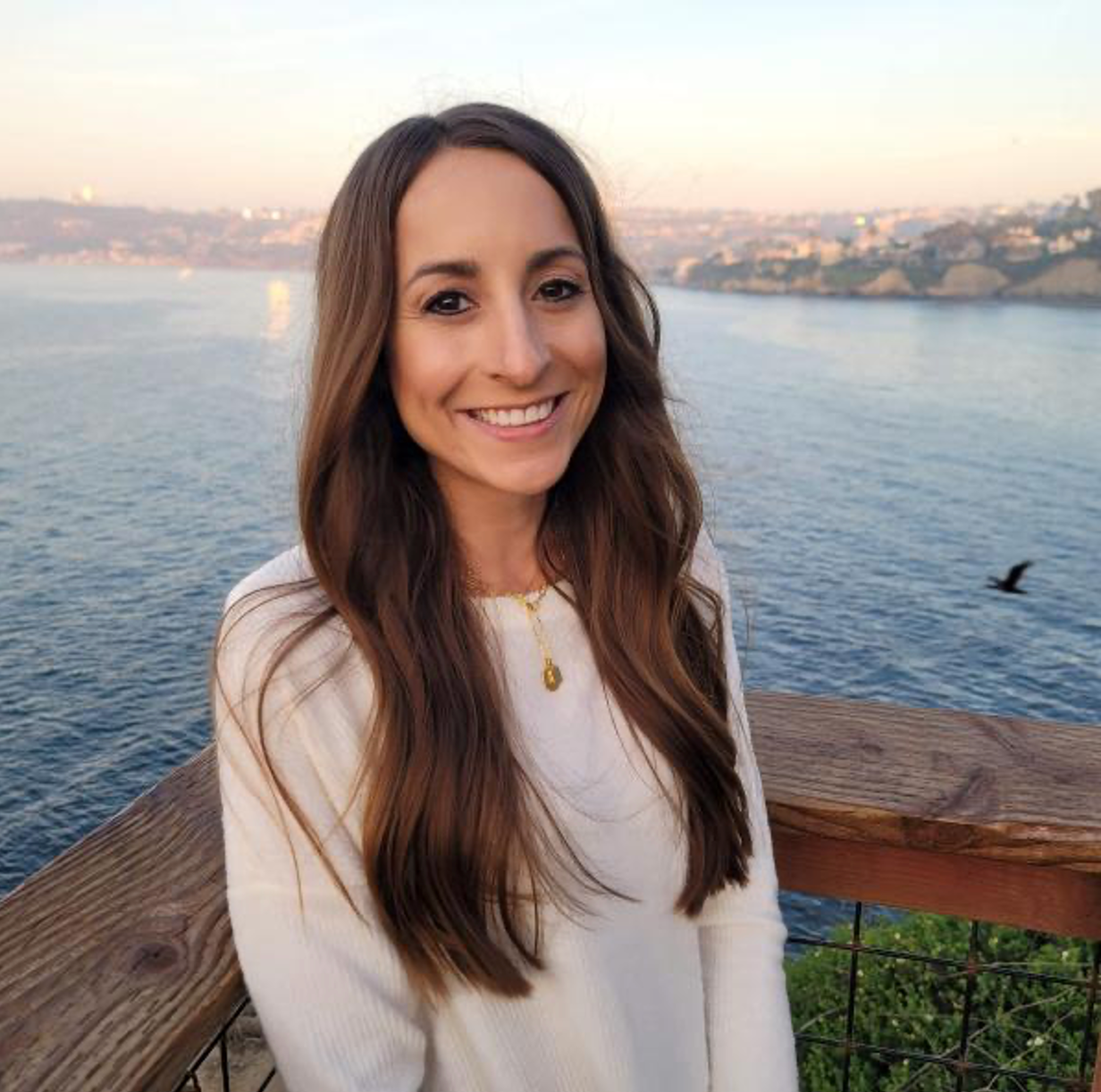
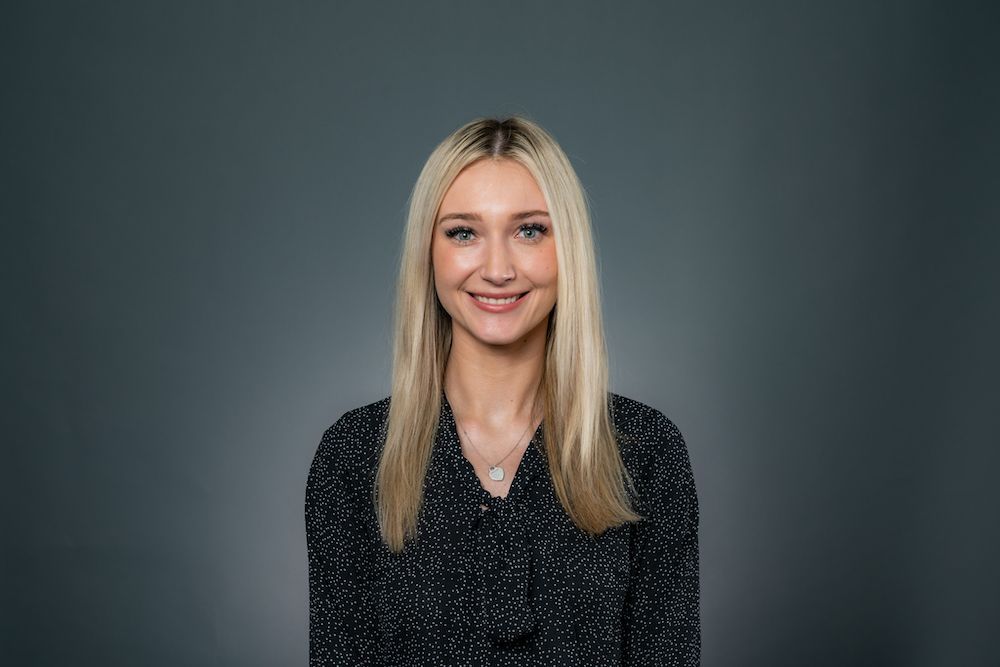
Dr. Anna Karam Jones
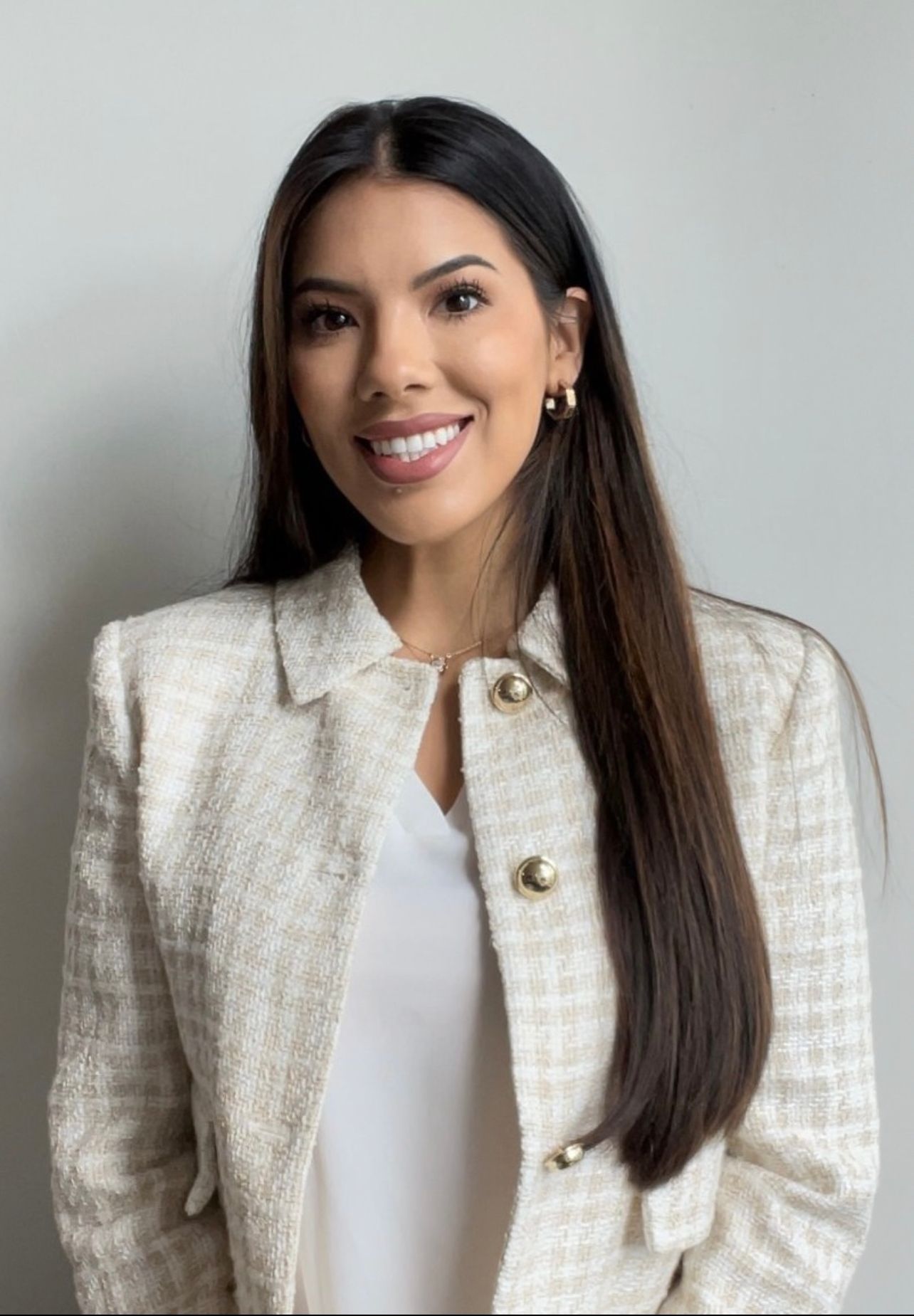
Dr. Hannah Weldon
Dr. Antionette gutierrez
Biography
Dr. Anna Karam Jones is a clinical psychologist and supervisor at the UC San Diego Health’s (UCSDH) Eating Disorders Center for Treatment and Research (EDC) in the adolescent program. Dr. Karam Jones received her Bachelor’s in Psychology and Women’s and Gender Studies from the University of North Carolina at Chapel Hill and received her PhD in Clinical Psychology from Washington University in St. Louis. Dr. Karam Jones has received broad and comprehensive training in the evidence-based treatment of psychological disorders including eating disorders, anxiety disorders, and mood disorders, with an emphasis in eating disorders. Working in a higher-level-of-care setting for adolescents with eating disorders, Dr. Karam Jones is passionate about and routinely provides family-based treatment to adolescents with eating disorders and their families.
Dr. Hanah Weldon is a Postdoctoral Fellow in the Adolescent Program at the UC San Diego Eating Disorders Center (EDC) for Treatment and Research. She earned her Bachelor’s degree in Psychology from Arizona State University and her Doctorate in Clinical Psychology (PsyD) from Midwestern University. Dr. Weldon completed her predoctoral internship at UTHealth Houston, where she trained in the inpatient track and worked with high-risk adults and adolescents presenting with severe mental illness and complex risk. Her clinical approach emphasizes structured, skills-based behavioral interventions, including DBT treatment and Family-Based Treatment (FBT), in higher-acuity adolescent eating disorder care. Her research examines the role of hope, motivation, and patient-defined treatment expectations in eating disorder recovery, including demographic and psychosocial moderators of engagement and patterns of diagnostic disclosure. Her work informs strategies to enhance early engagement, alignment, and adherence in evidence-based care.
Dr. Antionette Gutierrez
(she/her) is a postdoctoral Fellow at UC San Diego Health’s Eating Disorder Center for Treatment and Research (EDC). She earned her B.A. in Psychology from University of California, Santa Cruz, and her Doctorate in Clinical Psychology from Adler University in Chicago, with an emphasis in children and adolescents. During doctorate training, Dr. Gutierrez worked in acute and outpatient settings, treating mood and anxiety disorders, self-injurious behaviors, eating disorders, suicidality, and providing couples and family therapy. She completed her predoctoral internship at Broughton Hospital, a state psychiatric facility, where she worked with individuals across the lifespan, with a strong focus on adolescent and deaf community units. A significant portion of her clinical training has been dedicated to supporting underserved adolescents impacted by chronic and complex trauma. Dr. Gutierrez practices from a relational, systems-based, and multicultural framework, integrating evidence-based treatments to support clients' healing journeys through empowerment, and has gained expertise in delivering family-based treatment for adolescents with eating disorders at EDC.
Navigating Eating Disorder Care: Early Recognition & Coordinated Treatment
Amy Costa, PsyD & Christine Wood, MD, FAAP, CEDS,CLE
1.5 APA CEs
This course provides psychologists with a focused, clinically relevant overview of eating disorders across diverse populations. Presenters will review current prevalence data in the general population as well as among racial and ethnic minority groups, with attention to disparities in identification, diagnosis, and access to care.
The course emphasizes practical strategies for early detection in behavioral health settings. Psychologists will learn to implement evidence-based screening tools and apply targeted history-taking questions to improve recognition of eating disorder symptoms, including presentations that may not align with traditional stereotypes. Finally, psychologists will gain clarity on the continuum of care for eating disorder treatment, including outpatient, intensive outpatient, partial hospitalization, residential, and inpatient levels of care. Guidance will be provided on determining appropriate placement based on medical status, behavioral risk factors, and overall clinical presentation.
By the end of this course, providers will be better equipped to identify eating disorders early, assess risk with confidence, and make informed decisions that support safe, effective, and equitable treatment pathways.
Learning Objectives
- Psychologists will be able to identify at least three ethnic and racial minority groups impacted by eating disorders.
- Identify 2 effective screening tools and history-taking questions that psychologists can use to detect eating disorders in clinical practice.
- Identify 4 critical medical complications of eating disorders that inform level-of-care decisions and necessitate medical collaboration, and describe the full continuum of care to determine appropriate placement based on medical and behavioral criteria.
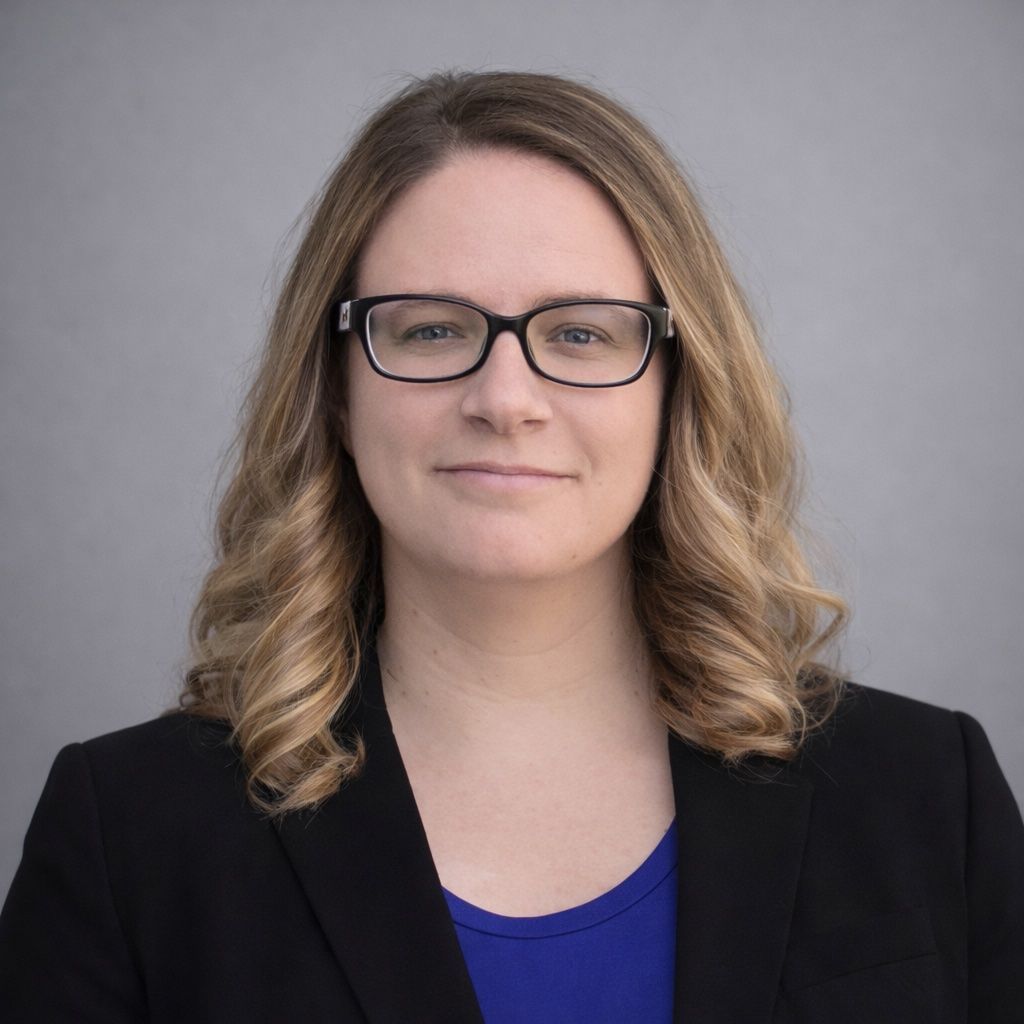
Dr. Amy Costa
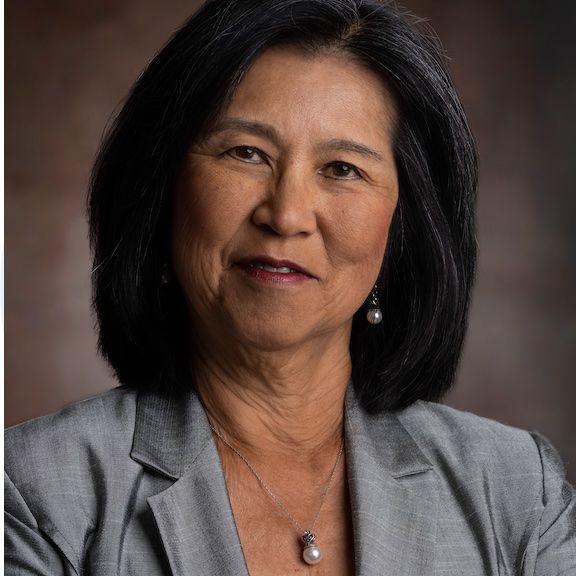
Dr. Christine Wood
Biography
Dr. Amy Costa is a Licensed Marriage and Family Therapist and Vice President of Clinical Operations at Center for Discovery. With over 20 years of experience in eating disorder and mental health treatment, she leads clinical strategy and program development across levels of care, integrating evidence-based and innovative approaches.
Dr. Costa began her career at McLean Hospital’s Klarman Eating Disorders Center and has worked in residential, partial hospitalization, intensive outpatient, and private practice settings. She holds advanced training in DBT and CBT, with clinical expertise in eating disorders, self-injurious behaviors, mood disorders, and complex co-occurring conditions in adolescents and adults.
A Certified Eating Disorder Specialist and Supervisor (CEDS-S), she frequently presents DBT-informed care, trauma integration, clinician sustainability, and inclusive treatment models that promote lasting recovery and clinical excellence.
Christine Wood, MD is a pediatrician with expertise in the management of the medical complications of eating disorders and is a Certified Eating Disorder Specialist (CEDS) as designated by the International Association of Eating Disorder Specialists (IAEDP).
She has been in private pediatric practice in North County San Diego since 1990 until 2022 and then had her own practice for two years as an eating disorder consultant. She is currently the Medical Director for the residential eating disorder treatment center at Center for Discovery in Del Mar since 2013.
In 2022, she was appointed as the National Physician Liaison for the eating disorder division at Center for Discovery.
She has published several articles in magazines and in medical journals. Of note, she was a co-author of a Clinical Report published in September 2016 in Pediatrics, titled “Preventing Eating Disorders and Obesity in Adolescents.” She is also the author of the book, How to Get Kids to Eat Great & Love It.
She graduated from the University of Michigan Medical School and went on to Children’s Hospital of Los Angeles for her pediatric residency.
Food Addiction: What All Psychologists Should Know
Bruce Liese, PhD, ABPP
1.5 APA CEs
What is an addiction? It depends on who you ask.
The American Society of Addiction Medicine (ASAM) defines addiction as "a treatable, chronic medical disease involving complex interactions among brain circuits, genetics, and the environment." The National Institute on Drug Abuse (NIDA) defines addiction as "a chronic, relapsing disorder characterized by compulsive drug seeking and use despite adverse consequences." The American Psychological Association (APA) describes addiction as "a state of psychological and/or physical dependence on the use of drugs...or behaviors." In DSM-5-TR,
Substance-Related and Addictive Disorders are defined as clusters of "cognitive, behavioral, and physiological symptoms indicating that the individual continues using the substance despite significant substance-related problems."
So then, what is
food addiction? The answer isn’t easily found on the websites of the above organizations or in DSM-5-TR. The addictive disorders chapter of DSM-5-TR identifies ten chemical addictions and one behavioral addiction: gambling. Food addiction is entirely absent from DSM-5-TR. In fact, the term food addiction is considered by many eating disorder experts to be questionable, with many viewing it as indistinguishable from
binge eating disorder.
Where did the term food addiction originate? Is the food addiction construct evidence-based? Is it measurable? Is it distinct from or synonymous with binge eating disorder? What are the advantages and disadvantages (i.e., limitations) associated with psychologists' use of the term food addiction? In this presentation, these and other questions are addressed. Research trends associated with food addiction are presented. Food addiction (typically measured by the Yale Food Addiction Scale) is compared to other addictions and binge eating. It will be emphasized that certain formulations (e.g., ultra-processing and additives) make foods hyperpalatable and therefore contribute to overconsumption and obesity.
Finally, it will be asserted that an evidence-based understanding of the food addiction construct, grounded in psychological and food science, will enable psychologists to benefit their patients and communities in important ways.
Learning Objectives
- Participants will be able to explain why it’s important for them to possess an evidence-based understanding of the construct, food addiction.
- Participants will be able to describe relationships between ultra-processed foods, hyperpalatable foods, overconsumption, obesity, and food addiction.
- Participants will be able to identify a popular standardized self-report instrument for measuring the food addiction construct.
Biography
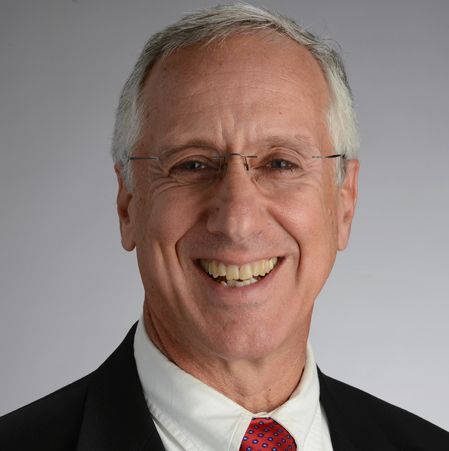
Bruce S. Liese, PhD, ABPP is a Professor of Family Medicine, Community Health, and Psychiatry at the University of Kansas Medical Center. He is a Fellow in three APA Divisions, past president of the APA Division on Addictions, and an APA Council Representative. He is also board-certified by the American Board of Professional Psychologists.
Dr. Liese has taught more than 100 courses and workshops and supervised hundreds of trainees. He has more than 75 publications, he is on the editorial boards of three APA journals, and he has co-authored three textbooks. His most recent book,
Cognitive-Behavioral Therapy of Addictive Disorders, was recently published with co-author Dr. Aaron T. Beck.
Dr. Liese has received multiple awards for his work as a psychologist, including a citation by the president of APA. In addition to his other ongoing professional activities, Dr. Liese sees at least 25 patients per week as a licensed psychologist.
Evidence-Based Strategies for Addressing Co-Occurring PTSD and Disordered Eating
Kim Claudat, PhD & Sanvi Beri, MA, LPCC
1.5 APA CEs
The high rate of comorbidity between Eating Disorders (ED) and Post-Traumatic Stress Disorder (PTSD) presents a significant clinical challenge, often resulting in heightened symptom severity, increased relapse rates, and profound functional impairment. Traditionally, evidence-based treatment models for ED primarily focus on treating ED symptoms, with little acknowledgement of how to address co-occurring PTSD. Unaddressed PTSD symptoms frequently serve as maintaining mechanisms for eating pathology, leading to clinical stagnation and poor treatment outcomes. Emerging research calls for integrated care, emphasizing the simultaneous management of ED and PTSD to address their shared maintaining mechanisms (e.g., Liebman et al., 2025). This presentation reviews current clinical guidelines for integrated care (e.g., Brewerton, 2023), educating clinicians in how to target the shared maintaining mechanisms underlying PTSD and ED.
Moving beyond foundational theory, this session focuses on the practical application of first-line, evidence-based cognitive-behavioral protocols—specifically Cognitive Processing Therapy (CPT), Prolonged Exposure (PE), and Written Exposure Therapy (WET), within ED treatment. Presenters will synthesize the current empirical evidence supporting the integration of these approaches into ED treatment, and provide a technical overview of their clinical implementation (e.g., American Psychological Association, 2025; Management of PTSD Work Group, 2023).
Furthermore, the curriculum addresses clinical considerations essential for co-occurring ED-PTSD including specialized PTSD assessment, the role of case conceptualization and establishing a treatment hierarchy, and the determination of patient readiness for formal trauma protocols (e.g., Brewerton, 2023; Harned, 2022). The session also explores the nuances of interdisciplinary collaboration, nutritional and medical stabilization, and the integration of cognitive-behavioral interventions (e.g., dialectical behavior therapy skills, self-monitoring) to help manage avoidance behaviors and high-acuity symptoms, such as dissociation. Through a combination of didactic instruction, review of case examples, and clinical consultation, participants will develop the competencies necessary to assess and manage co-occurring ED-PTSD presentations within an integrated care framework.
Learning Objectives
- Synthesize the current empirical evidence supporting integrated treatment frameworks for co-occurring PTSD and ED.
- Differentiate between the clinical applications of CPT, PE, and WET, within the context of ED treatment.
- Apply clinical decision-making skills to assess patient readiness for trauma processing, manage treatment target hierarchies, and utilize cognitive-behavioral strategies to target common PTSD symptoms in co-occurring ED-PTSD cases.
Biography
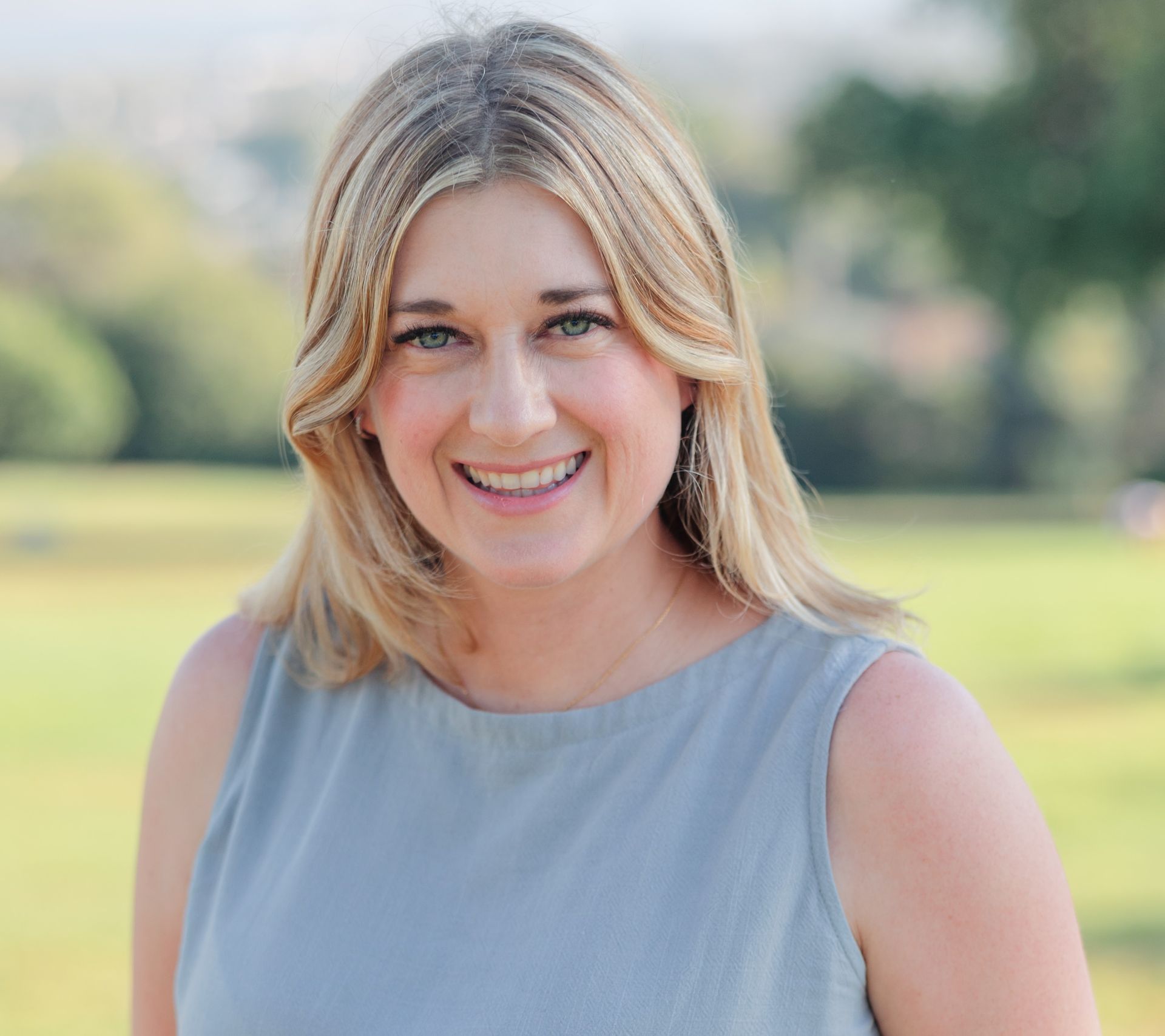
Dr. Kim Claudat is an Associate Clinical Professor and Director of Adult Services at UC San Diego Health Eating Disorders Center for Treatment and Research. Dr. Claudat began her work at UC San Diego as a postdoctoral fellow. Her clinical and research interests focus on the connection between eating disorders and emotion regulation difficulties, particularly as this relates to commonly co-occurring disorders such as PTSD and Substance Use Disorders. She has received specialized training in Cognitive Processing Therapy for PTSD (CPT), DBT Prolonged Exposure for PTSD (DBT-PE), and DBT for Substance Use Disorders (DBT-SUD) and has provided numerous trainings and lectures on the topic of integrated care for co-occurring diagnoses in eating disorders treatment.
Sanvi Beri
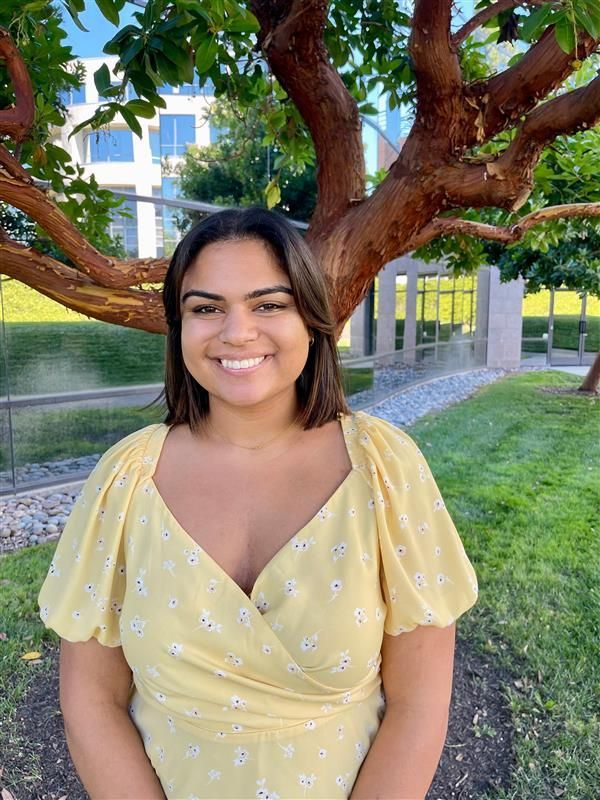
is a Licensed Professional Clinical Counselor (LPCC) and PTSD Track Coordinator at the UC San Diego Health Eating Disorders Center. Sanvi graduated with her BS in Psychology and a minor in Cognitive & Behavioral Neuroscience from the University of Colorado in 2018, and her MA in Clinical Mental Health Counseling from the University of San Diego in 2021. Sanvi has specialized training in Cognitive Processing Therapy for PTSD (CPT) and DBT-Prolonged Exposure (DBT-PE). Some of Sanvi's clinical areas of expertise include the intersection of substance use disorders, eating disorders and trauma, and multicultural counseling.
Special Considerations in the Treating Children with Eating Disorders
Ana Ramirez, PhD
1.5 APA CEs
This training will focus on providing an overview of eating disorders commonly seen in children and the evidence-based interventions to treat them. Participants can expect to become familiar with the DSM-5-TR criteria for Anorexia Nervosa (AN) and Avoidant/Restrictive Food Intake Disorder (ARFID) as well as the typical symptom presentations in children for both eating disorders. The various levels of care available will be identified and general guidelines to identify the adequate treatment setting for children will be provided. Two evidence-based treatments will be summarized in the context of treating children: Family Based Treatment (FBT) for Anorexia Nervosa and Cognitive Behavioral Therapy for ARFID (CBT-AR). The current activity will provide an overview of the most common treatment targets to prioritize in children with eating disorders. Suggestions for special considerations and adaptations to the available treatments for children with eating disorders and their families will be presented. Limitations and risks specific to the treatment of eating disorders in children will be reviewed. The training will be a didactic presentation with time allotted for questions and answers. This activity directly relates to psychologists with a primary focus on children and adolescents practicing in multiple settings as they are likely to come across patients/clients that are struggling with disordered eating and/or a diagnosable eating disorder.
Learning Objectives
- Participants will summarize prevalence rates of eating disorders in children.
- Participants will identify DSM-5 criteria for Anorexia Nervosa and ARFID.
- Participants will identify the levels of care and evidence-based interventions for children with eating disorders.
- Participants will summarize at least five common treatment targets for children with eating disorders.
- Participants will discuss special considerations and adaptations in the treatment of children with eating disorders and their families.
Biography
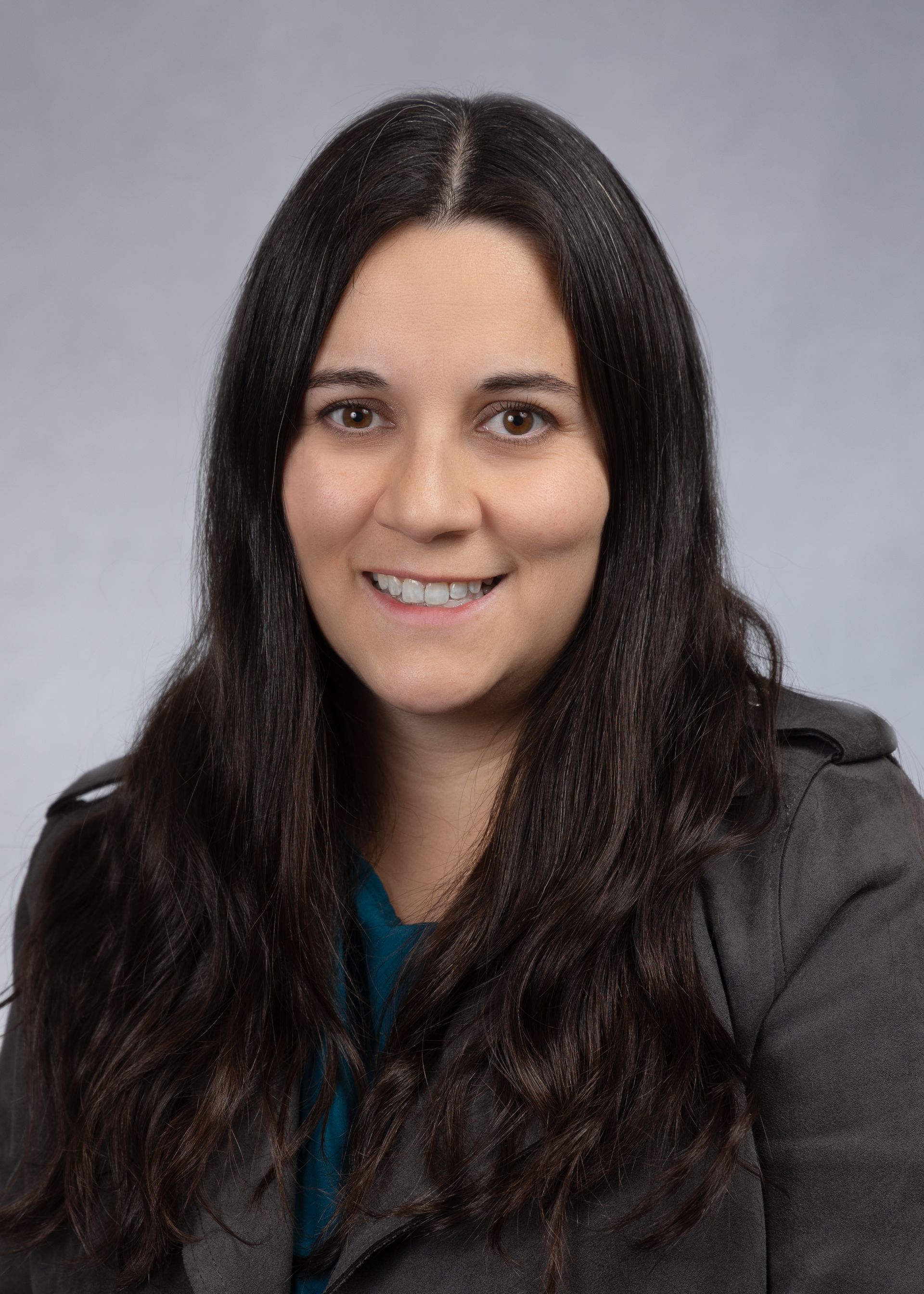
Dr. Ana Ramirez is an Associate Clinical Professor and Director of Pediatric Services at the UC San Diego Health Eating Disorders Center for Treatment and Research. In addition to overseeing the pediatric program, she provides clinical supervision and individual, family, and group therapy. She has training in family-based treatment, dialectical behavior therapy, cognitive behavioral therapy, and exposure response prevention. Her clinical experience includes treatment of eating disorders across the diagnostic spectrum and ages with a specialty focus on ARFID. Dr. Ramirez often participates in expert panels, provides trainings and workshops on the presentations of ARFID and its treatment for the community and at national conferences. Her research interests include eating disorder treatment development, evaluation, and outcomes, and the adaptation of available treatments for culturally diverse patient populations. Her passion is working to ensure that ethnic minorities have equal access to evidence-based treatments. Dr. Ramirez provides therapy to Spanish-speaking patients and their families.
Integrated Treatment of Co-Occurring Substance Use Disorders within Eating Disorder Treatment
Britt Bohrer, PhD & Marti Edwards, LPCC, NCC
1.5 APA CEs
Eating disorders (ED) and substance use disorders (SUD) are associated with the highest mortality rates of any psychiatric illness. Approximately 25% of persons with ED also have a SUD, yet fewer than half of patients with these co-occurring disorders receive treatment for both conditions. Furthermore, comorbid ED and SUD are associated with greater symptom severity and poorer treatment outcomes than those without comorbid ED and SUD. Treatment for these co-occurring conditions has historically been provided separately or sequentially, which can contribute to vacillation of ED and SUD symptomatology, and there is limited research to guide effective treatment approaches for co-occurring ED and SUD. This training will review guidelines for an integrated treatment approach of co-occurring SUD in ED treatment, including recommendations for treatment planning (e.g., knowing which symptoms to prioritize and when), overview of evidence-based interventions (e.g., DBT-SUD, contingency management, community reinforcement), limitations to these interventions (e.g., dearth of research to inform treating this specific comorbidity), and strategies for addressing common barriers clinicians may face (e.g., high rates of dropout/relapse, tenuous treatment engagement, lack of specialized training for EDs and SUDs) in providing integrated care for these conditions.
Learning Objectives
- Identify the functional overlap and maintaining mechanisms of eating disorders and substance use disorders.
- Describe evidence-based interventions to implement in the treatment of co-occurring eating disorders and substance use disorders.
- List strategies to address barriers in the treatment of eating disorders and substance use disorders.
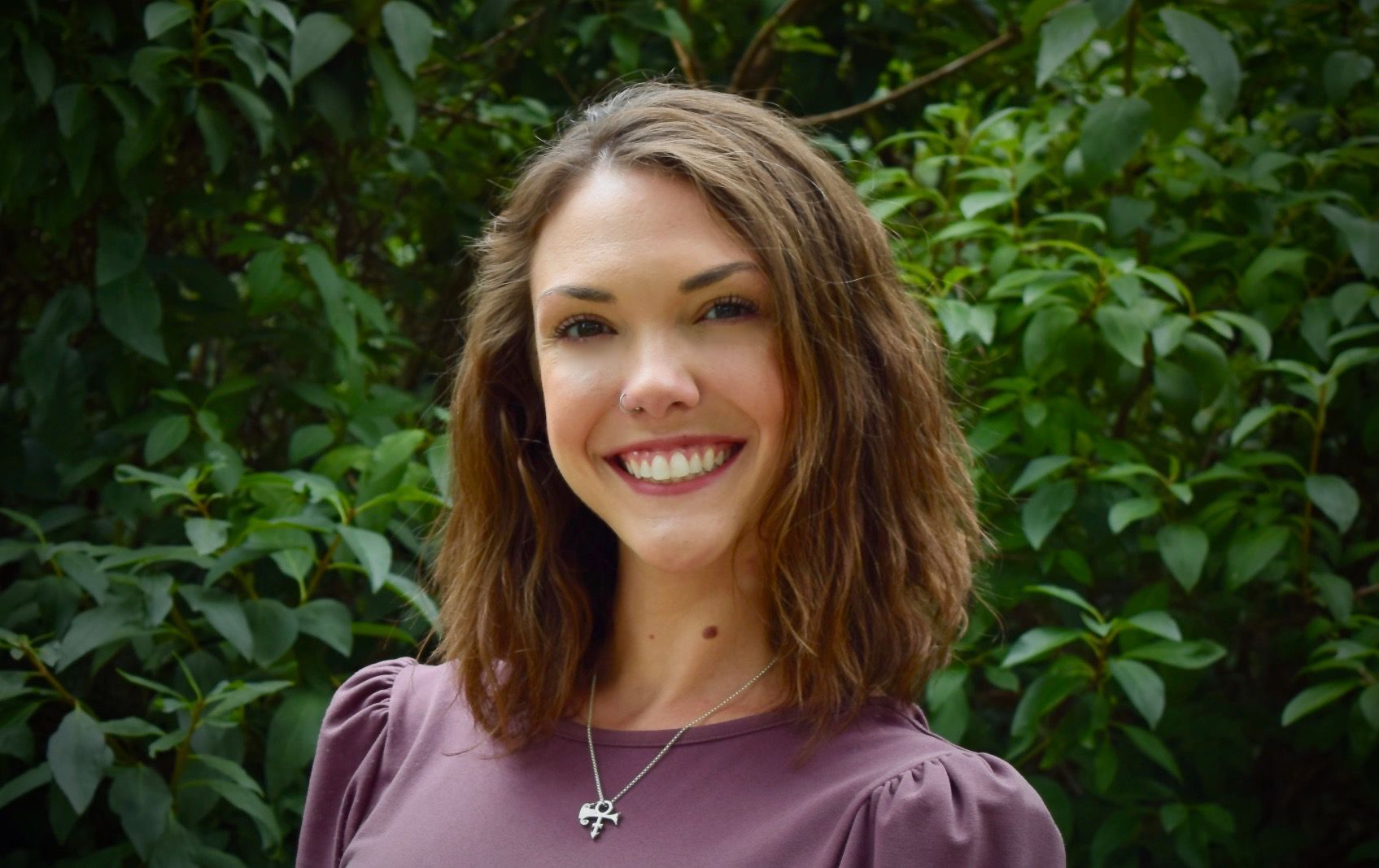
Dr. Britt Bohrer
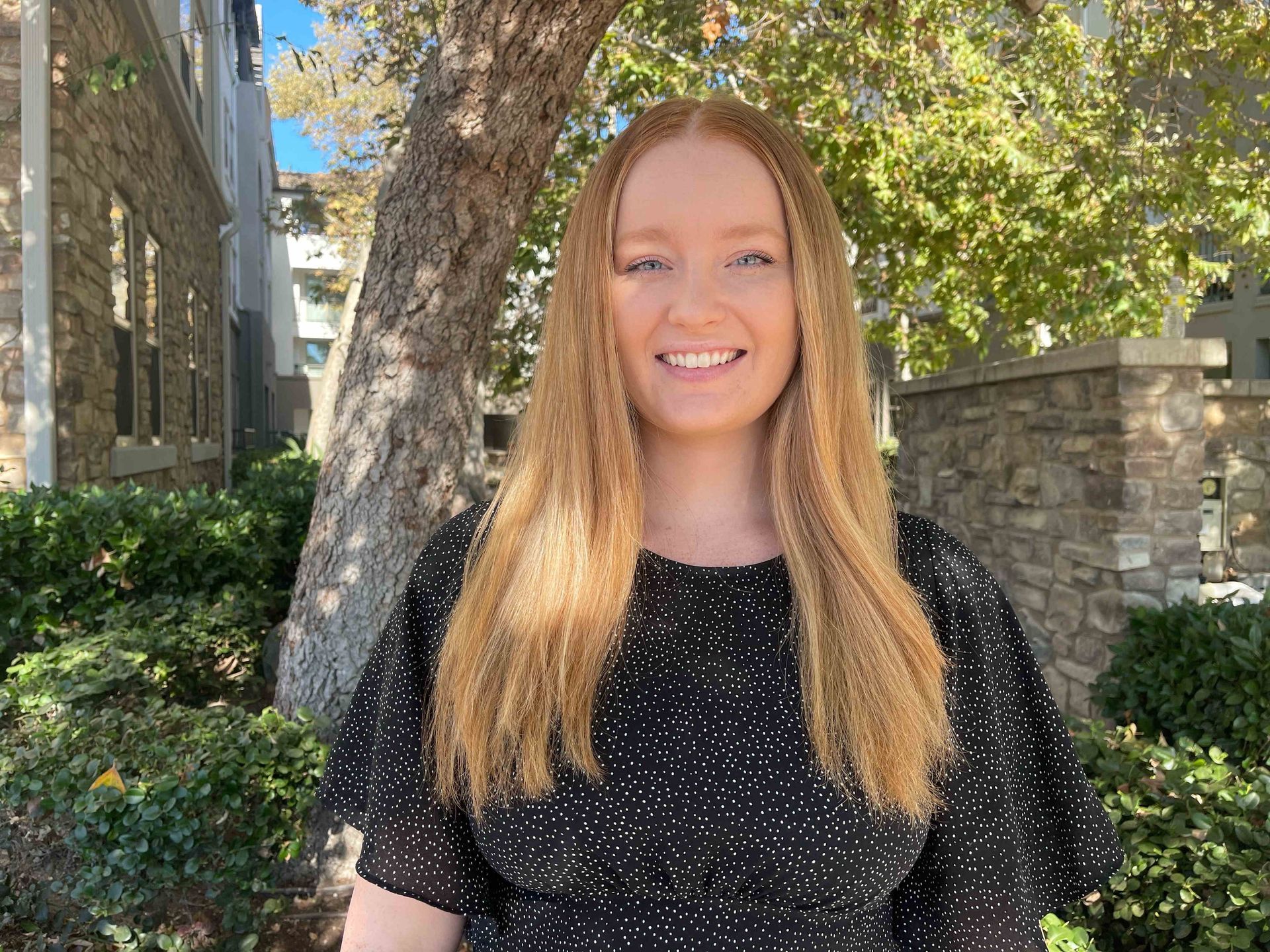
Margaret “Marti” Edwards
Biography
Dr. Britt Bohrer is a clinical psychologist and Co-Occurring Disorders (COD) Track Co-Coordinator in the Adult Program at the UC San Diego Health Eating Disorders Center for Treatment and Research. She received her Ph.D. in Clinical Psychology from the University of Kansas and completed both her pre-doctoral internship and postdoctoral fellowship at the UC San Diego Health Eating Disorders Center. She has training and experience providing treatment for eating, mood, anxiety, personality, and substance use disorders across varying levels of care. Dr. Bohrer has received specialty training in Dialectical Behavior Therapy for Substance Use Disorders (DBT-SUD), and as a COD Track Co-Coordinator, she coordinates a multidisciplinary team to provide evidence-based care to patients with co-occurring substance use and eating disorders.
Margaret “Marti” Edwards is a Licensed Professional Clinical Counselor who received her MA in Clinical Mental Health Counseling from the University of San Diego in 2021. Marti works in the Adult Program at the UC San Diego Health Eating Disorders Center for Treatment and Research and is a Co-Coordinator for the Co-Occurring Disorders (COD) Track, where she coordinates a multidisciplinary team to provide evidence-based care to patients with co-occurring substance use and eating disorders. Throughout her training, Marti has worked in PHP and IOP programs with a wide range of individuals and diagnoses, focusing on feeding and eating disorders, obsessive-compulsive disorders, substance use disorders, mood disorders, anxiety disorders, and personality disorders. She received specialty training in Dialectical Behavior Therapy for Substance Use Disorders (DBT-SUD), provides individual, group, couples, and family therapy utilizing DBT, and has also been trained in Exposure and Response Prevention Therapy (ERP) and Cognitive Behavioral Therapy (CBT).
Eating Disorders in Boys and Men: Clinical Considerations, Research Knowledge and Next Steps
William Grunewald, Ph.D.
1.5 APA CEs
Boys and men are often neglected in eating disorder research and clinical practice, influenced largely by outdated stereotypes suggesting that eating disorders are ‘female problems.’ The lack of inclusion of men and boys in eating disorder spaces has influenced access to care, knowledge, and treatment efficacy of clinical interventions for this population. This presentation will discuss the current empirical knowledge surrounding eating disorders in boys and men to aid attendees working with this population. Specific discussion points will include barriers to care, empirically derived risk factors, muscle dysmorphia, measurement considerations, cultural considerations, treatment efficacy, and future directions for eating disorder treatment and research among this population. This presentation will additionally use case examples to provide clinical intervention strategies for targeting eating disorders/related comorbidity among boys and men.
This training will be conducted in-person at the fall conference of the San Diego Psychological Association. This training will be delivered via a didactic power-point style lecture.
This training will help doctoral level clinicians develop content knowledge on male eating disorders inclusive of intervention, assessment and extant literature on these topics. This is especially crucial as the incidence rate for eating disorders is increasing at a faster rate for men than women (Mitchison et al., 2014), suggesting that clinicians may encounter clients with these symptoms as part of their practice. Additionally, this presentation will highlight salient next steps that are needed in clinical care for this population. Lastly, this presentation will provide psychoeducation on intervention strategies for male eating disorders which may be particularly useful for practicing clinicians.
Learning Objectives
- List empirically supported risk and maintenance factors for eating disorders in boys and men.
- Explain barriers to care and assessment considerations for boys and men with eating disorders.
- Describe empirically supported eating disorder intervention approaches for boys and men.

Biography
William Grunewald, PhD is an incoming postdoctoral fellow at Auburn University/San Diego State University for an R61 trial of virtually delivered LGBTQ+ affirmative treatment for sexual minority adults with an eating disorder. Dr. Grunewald’s research focuses on the identification of risk and maintenance factors for eating disorders, dysmorphic concerns, and suicidality among male-identifying and LGBTQ+ individuals. Within this research, Dr. Grunewald has investigated risk factors for muscle dysmorphia symptoms among U.S. men, evaluated treatment efficacy for boys/men in higher level of care eating disorder treatment, and investigated the intersection between eating pathology and suicide risk in men and LGBTQ+ adults. He has published extensively on this topic (e.g., 30+ publications inclusive of clinical case studies) and has received clinical training in eating disorders for four+ years. Dr. Grunewald’s contribution to diversity is reflected in his LGBTQ+ research output and focus on boys/men who are often marginalized within eating disorder spaces.
Cultural Considerations for Eating Disorders
Neha Goel, PhD
1.5 APA CEs
Eating disorders are serious psychiatric illnesses associated with high morbidity, mortality, and medical sequalae (Carlson & Lemly, 2024). Cultural theories of eating disorders – such as the Tripartite Model (Thompson et al., 1995; van den Berg et al., 2002) and the Amended Objectification Theory Model (Moradi, 2010) – are focused on illustrating how differing social, cultural, and environmental factors (e.g., appearance ideals; peer, family, and media influences; acculturative stress) contribute to the onset and maintenance of eating psychopathology in various populations. Of note, many of the norms, appearance ideals, and societal standards associated with Western countries are considered the “dominant” ideals that are often proliferated globally. However, it is important to note that these “dominant” ideals often differ, and sometimes conflict, from “minority” ideals associated with different identities. Groups at the intersection of these ideals are often caught in a cultural bind that makes it difficult to determine which ideals to adhere to, internalize, and contend with.
In this presentation, I aim to highlight three aspects of EDs that can vary greatly based on cultural considerations: “normative” food practices, appearance ideals, and determining if/when/how to incorporate family members into treatment. I will do so using my own research with South Asian American women, highlighting how this group often differs from the majority group in terms of the aforementioned topics. This presentation will combine both didactic (e.g., lecture) and experiential (e.g., break out groups based on vignettes) elements of learning to engage attendees across all training levels to begin to ask themselves the following question: how do we apply a multicultural lens to the assessment and treatment of EDs in clinical practice?
Learning Objectives
- Describe how cultural factors contribute to the onset and maintenance of eating psychopathology in various populations.
- Describe how intersecting identities (e.g., age, gender, race/ethnicity, sexuality, ability status, nationality, immigration status) impact both clinicians’ and clients’ perspectives of normative eating patterns, relevant appearance ideals, and when to incorporate families into treatment.
- Apply learned knowledge by reviewing vignettes and reflecting on how cultural considerations may impact the assessment, diagnosis, and/or treatment course of a client.
Biography
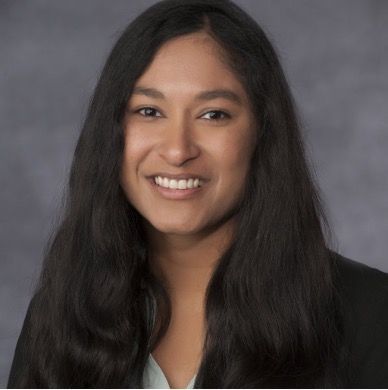
Dr. Neha Goel is a Registered Psychological Associate at Terra Towne Psychotherapy & Consultation and a postdoctoral fellow in the Pediatric program at the UCSD Health Eating Disorders Center (EDC). Dr. Goel completed her clinical internship at Rady Children’s Hospital/UCSD EDC and obtained her doctorate in counseling psychology from Virginia Commonwealth University in 2024. Dr. Goel has been actively involved in eating disorders research since 2015 and has published 26 peer-reviewed articles related to the assessment, prevention, and treatment of eating disorders in various populations. Dr. Goel’s program of research broadly focuses on reducing eating disorder-related health disparities in minoritized ethnic/racial groups and specifically improving assessment and diagnostic efforts for South Asian communities. Clinically, Dr. Goel utilizes Dialectical Behavior Therapy (DBT), Family-Based Treatment (FBT), Cognitive-Behavioral Therapy-ARFID (CBT-AR), Parent Management Training (PMT), and Exposure and Response Prevention Therapy (EX/RP) to treat children and adolescents presenting with eating, mood, anxiety, and OCD symptoms.
Thank you to our Sponsors!!





SDPA Policies
Attendance Policy:
CE Credit and Certificates will not be issued to those who arrive later than 10 minutes or leave early from any course scheduled time. This policy is strictly enforced to ensure compliance with APA Guidelines.
Cancellation Policy:
No refund will be given to any registered individual who is a no-show to a course. Any individual canceling within 72 hours of a course will be refunded 50% of the course fee.
CE Grievance Procedure
SDPA is fully committed to conducting all activities in strict conformance with the APAs Ethical Principles of Psychologists. SDPA will comply with all legal and ethical responsibilities to be non-discriminatory in promotional activities, program content and in the treatment of program participants. Email the office with any grievances at sdpa@sdpsych.org.
American Psychological Association
The San Diego Psychological Association (SDPA) is approved by the American Psychological Association (APA) to sponsor continuing education for psychologists. SDPA maintains responsibility for this program and its content.
Valid licensed approved for CEs
In California, APA approved CE’s are valid for licensed psychologists, licensed school psychologists, LCSW, LMFT, LEP & LPCC licensees. Though APA is a national organization, the out of state licensee should check with their state governing board to make sure that APA approved CE's are valid in their state for their license.